
Lawrence is entering his second year in Liam Coen's McVay-tree offense, and the continuity is the whole story. He's never had back-to-back seasons with the same play-caller before now, and the payoff showed up late last year, when the offense clicked hard enough to close as one of the league's best scoring units. Beat reporters in Jacksonville describe him as visibly calmer and faster in his reads this camp than he was a year ago at this same point. The room around him got more dangerous too: Brian Thomas Jr. has reportedly put his rookie-year drop issues behind him and has been beating corners deep in camp, and Travis Hunter is back after a knee injury cut his rookie season short, giving Coen a two-way weapon to move around the formation.
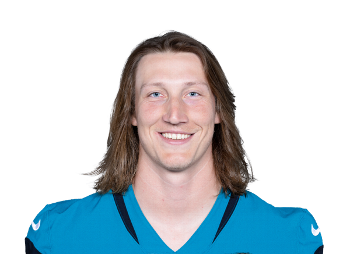
What makes Lawrence dangerous in this offense is that Coen doesn't ask him to just sit in the pocket. The scheme leans on motion and play-action to manufacture easy reads, but it also turned Lawrence into a real rushing threat last year, with designed runs and rollouts rather than pure scrambles producing a career high in rushing touchdowns. That extra column is what separates him from the pocket-bound quarterbacks he's grouped with, and it's a big reason his per-game production climbed once the offense settled in during the second half of the season.
The honest hole in the game is the deep ball, and it isn't new. Lawrence throws it downfield as often as almost anyone in the league and connects on it less than most quarterbacks who attempt it that frequently. Thomas is the receiver he's spent the offseason trying to fix that with, and camp has shown both the growth and the old issue in the same week, including a deep ball that got picked off. The bigger version of that flaw cost Jacksonville its season in January, when a tipped pass on the final snap of the wild-card loss in Buffalo landed in a defender's hands instead of a receiver's.
The comparison that matters is Jared Goff, not because their games look alike, but because of what each is walking into. Goff is starting over with his third offensive coordinator in three years after the scheme that revived his career left for Chicago. Lawrence is doing the opposite, running it back with the same play-caller who already got a career year out of him, with an extra offseason of installation and a healthier receiver room than he had the first time through. Stability like that is rare at the position, and it's the reason to like Lawrence's trajectory more than Goff's while Detroit figures out what its new offense even wants to be.