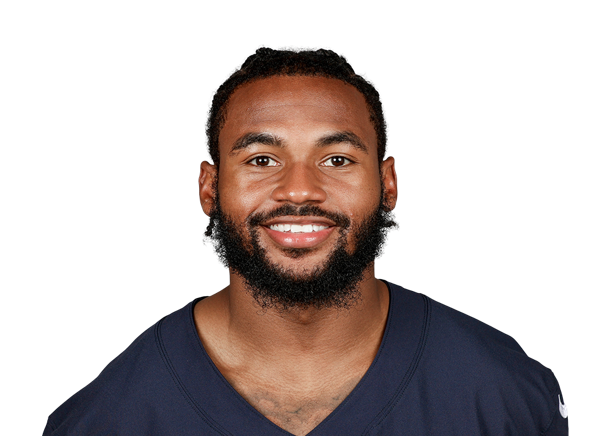

The story of Williams' offseason isn't a new weapon or a scheme change, it's him catching up to the one Johnson installed last year. In year one Williams called himself drowning in it. This camp he's calling himself head above water, and Johnson backs that up, saying he no longer has to ride Williams the way he did as a rookie in the building because the prep work and the command of the playbook are finally there. That's a quieter kind of jump than a new number one receiver, but it's the one that decides whether Johnson's offense gets faster this year instead of just less chaotic.
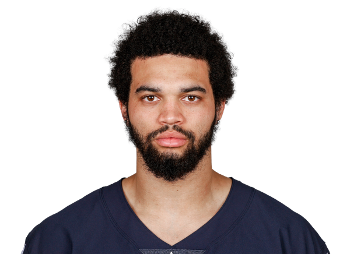
What made Williams dangerous even while he was still learning the offense was his legs. He's not a scrambler who bails a broken play, he's a runner defenses have to spy, with the acceleration to turn a collapsing pocket into a schemed explosive gain rather than a checkdown. Chicago leaned on that late, riding his legs through fourth-quarter comebacks when the pass game stalled. Johnson is reportedly leaning further into shotgun looks this camp specifically to keep that alive as a weekly answer instead of an emergency valve, and a red-zone offense built around a quarterback who can pull it and run adds a scoring path a pocket passer doesn't have.
The honest risk is that all of last year's growth still traces back to answers, not just to Williams. Chicago's turnover-light season came with him throwing far fewer interceptions than his rookie year, and some of that was Johnson building throws that took the ball out of his hands into structure rather than asking him to freelance. A defense that forces him to hold the ball longer, or a stretch where the legs that bail him out get banged up, tests whether the decision-making improved or whether the offense just started protecting him better. Nobody watched him beat a defense that had a full year of tape on Johnson's answers yet.
Set him next to Jalen Hurts and the comparison writes itself, because both are built the same way: a passer whose rushing floor covers for pass-game inconsistency. Hurts has already done it with a Super Bowl and a red-zone package the whole league has copied; Williams is doing it for the first time with a full offseason in the building instead of a scramble to catch up. Take Hurts if you want the proven ceiling with the tush push and the shorter learning curve. Take Williams if you believe the drowning quarterback from a year ago is actually gone, because a competent version of that legs-plus-arm profile, in his second year with the same coordinator, has more room to climb than a passer who's already been fully installed for years.