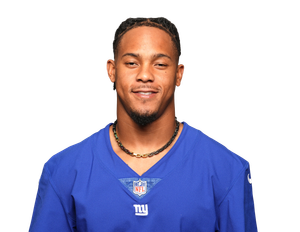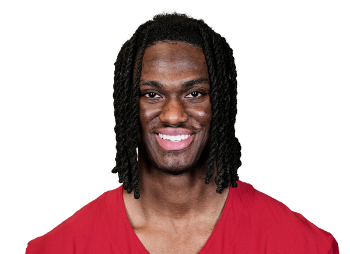

Saleh called Pollard and Tyjae Spears the bell cows of this offense heading into camp, but that framing undersells how the numbers actually shook out last year: Pollard, not Spears, was the one who ran for the best season of his career and started every game doing it. Nicholas Singleton's arrival as a downhill rookie complements him rather than threatens him, and new coordinator Brian Daboll has a track record of feeding one back and letting the rest of the room fight for scraps. That back is Pollard, and Tennessee built the depth chart to make sure of it.
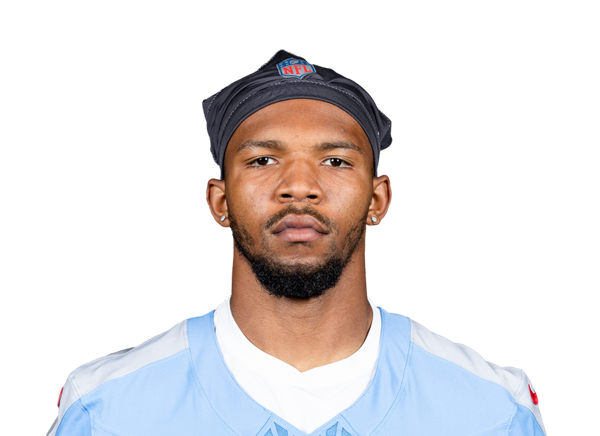
What makes Pollard worth the plan is that he does two things most backs on this list can't pair together: he presses the line fast enough to win yards before contact, and he stays in on third down without the offense flinching. He's not a bruiser and never has been, but the burst that made him a home-run threat in Dallas has aged into patience behind an offensive line that quietly ranked among the better units in the league at creating room before the hit lands. Tennessee's plan under Daboll leans on exactly that skill set: one back, touching it enough to matter on early downs and trusted enough to stay on the field when the down is passing.
The honest risk isn't Singleton, it's Spears, who's shared this backfield for three years and isn't going anywhere just because Saleh put Pollard's name first. Both are playing out contract years, which cuts two ways: it's motivation for Pollard to prove the workhorse role deserves to follow him past this season, but it's also exactly the kind of situation where a coaching staff starts auditioning the younger, cheaper option if the passing game struggles to open up running lanes. Cam Ward's development matters here too — if the offense can't create the space Pollard needs to win in space, Tennessee doesn't have another lever to pull besides feeding him more work he can't turn into yards.
Set him next to Chuba Hubbard, who does something close to the same job in Carolina: both are the clear lead back in a run-committed offense, both are trusted on passing downs, and both are answering the same question of whether last year's breakout was the runner or the opportunity. The difference is the coordinator. Hubbard plays for a staff that hasn't shown the same commitment to funneling volume to one name that Daboll has built his reputation on. Pollard's the safer bet to keep getting fed even if the numbers dip, because the plan around him was never really about matching last season — it was about making sure he's the one who gets the chance to.