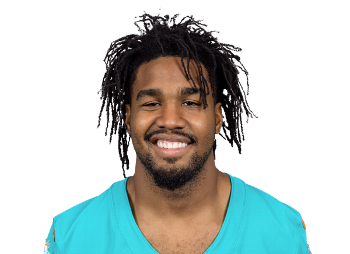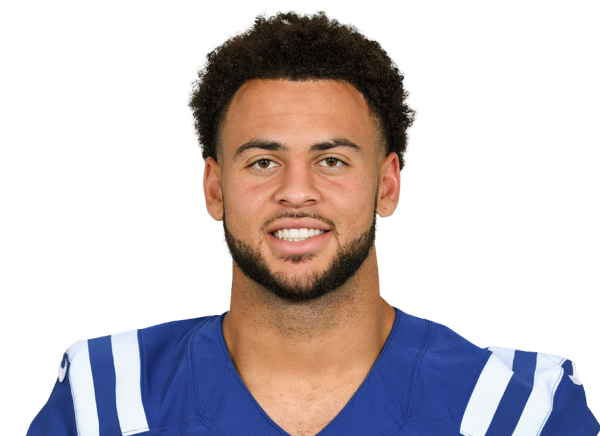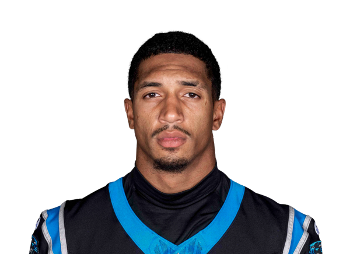

Sean Payton isn't running Dobbins out there as a bell cow, no matter what the depth chart says. Harvey is entering his second year with more trust and a bigger say-so in the passing game, and Jonah Coleman is a rookie Payton has already leaned on enough to matter. Dobbins tops the chart because he earned it late last season, not because Denver has decided the job is his alone.
What he actually does well is simple and violent: he presses the line, reads the cutback, and turns a blocked-up gap into a chunk run before the safety can fill it. That's the whole engine of his value, because Denver barely throws him the ball — the receiving work in this backfield belongs to somebody else, and Dobbins is a rushing-downs specialist through and through. When he's on the field, the yards come in bunches. The problem has never been the tape.
It's staying on the field. A blown-out knee in Baltimore, a torn Achilles two years later, a broken foot last season that ended his year 10 games in — Dobbins has cycled through nearly every major injury a running back can have, and none of it happened because his game slowed down. It happened because his body gave out mid-snap. That's not a scheme risk. That's the actual bet.
Harvey is the one who should worry him. As a rookie, he played every single game, led all first-year backs in total touchdowns, and already does the thing Dobbins doesn't — catch the ball out of the backfield on early-down looks. Dobbins is still the more explosive runner between the tackles when healthy, and that gap is real. But Harvey has already proven he can be trusted for all 17 weeks, and Dobbins, six years into his career, still hasn't.