






NCAA fights Mike DeWine's 5th-year order for Ohio athletes

TLDR: Ohio Gov. Mike DeWine signed an executive order letting Class of 2022 athletes at Ohio colleges play a 5th season, and NCAA president Charlie Baker answered within hours: Ohio's governor cannot make eligibility rules.
DeWine didn't ask the NCAA for anything. He told Ohio schools they're allowed to ignore it.
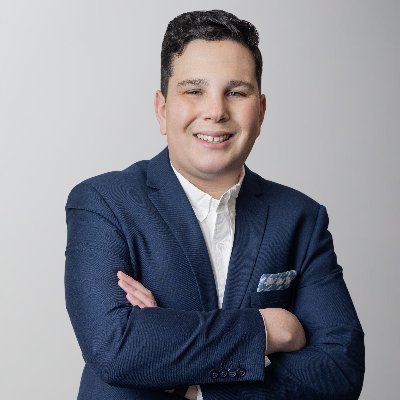
Ohio Gov. Mike DeWine has signed an executive order allowing Class of 2022 college athletes at Ohio universities to compete in the 2026-27 academic year, even if they've exhausted their NCAA eligibility. The order opens up a 5th season of eligibility for athletes. It prohibits Ohio colleges from enforcing NCAA eligibility restrictions
It's Executive Order 2026-04D, signed Tuesday. It lets Ohio's public and private colleges put Class of 2022 athletes on the field in 2026-27 even if they've burned through their NCAA eligibility. The reason it exists: this summer the NCAA moved to an age-based, 5-year eligibility model and didn't grandfather the 2022 class in. Under the NCAA's guidance, a 2022 graduate who has already played 4 seasons doesn't get a 5th. That set off a pile of lawsuits, and now a sitting governor has jumped in. Pete Thamel framed it the plain way: DeWine is saying NCAA rules can't trump the rules of the state of Ohio.
The timing is no accident. The order landed on the same day the NCAA was in federal appeals court defending the exact rule DeWine is trying to get around.

This Ohio order - the enforceability of which is in question as with any executive order - drops on the same day as oral arguments in the NCAA's federal eligibility case (Wisne) in the 10th Circuit. Per @McCannSportsLaw, NCAA may win based on arguments: t.co/JlQpUj1YdZ
Ohio Gov. Mike DeWine has signed an executive order allowing Class of 2022 college athletes at Ohio universities to compete in the 2026-27 academic year, even if they've exhausted their NCAA eligibility. The order opens up a 5th season of eligibility for athletes. It prohibits Ohio colleges from enforcing NCAA eligibility restrictions t.co/85ekOWmv76
That case is Wisne v. NCAA. Northern Colorado basketball player Brock Wisne leads it, and Judge Charlotte Sweeney certified it as a nationwide class action, which made it the biggest eligibility fight on the board. Her nationwide injunction had cleared 2022-class athletes to play another season. Then the 10th Circuit stayed it, and the 3-judge panel that heard arguments Tuesday reportedly looked ready to reverse it. If the NCAA wins in Denver, the main legal route to a 5th year closes, and an executive order turns into Ohio's backup plan.
Baker answered fast. In a memo to the membership, the NCAA president dismissed the order and then used it to lobby Congress, again, for the Protect College Sports Act.
In a letter to membership, NCAA president Charlie Baker states “the Governor of Ohio cannot legislate NCAA eligibility rules.” Goes on to push Congress to pass the Protect College Sports Act. t.co/t5xZLqTsgs

Ohio Gov. Mike DeWine has signed an executive order allowing Class of 2022 college athletes at Ohio universities to compete in the 2026-27 academic year, even if they've exhausted their NCAA eligibility. The order opens up a 5th season of eligibility for athletes. It prohibits Ohio colleges from enforcing NCAA eligibility restrictions t.co/85ekOWmv76
He went further than that, too. Baker said that "one elected official seeking to make their own rules for their own schools' advantage is a terrible way to run athletic competitions." Strip out the PR language and his point is simple. If Ohio State and Cincinnati can suit up guys that Michigan and Kansas can't, college sports becomes a map of 50 governors' favors. That's also the strongest argument for the federal bill Baker keeps pushing.
Ohio State's conference wasn't buying it either. Nebraska's attorney general, Mike Hilgers, weighed in Tuesday night, and his answer sounded a lot like no.
Nebraska's AG weighs in on the Ohio governor's executive order: "I can’t imagine such an order being enforceable across the league, let alone in Nebraska."
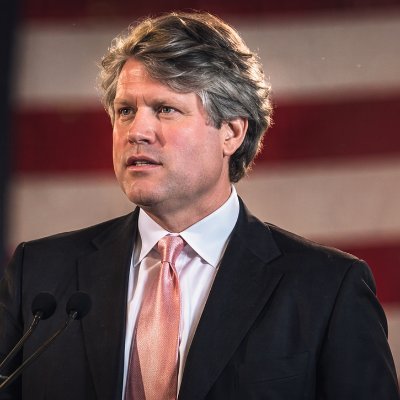
Wait, what? This appears to be unprecedented executive order—not a league rule, not a statute, and not a court order—of one member state of the Big 10. I can’t imagine such an order being enforceable across the league, let alone in Nebraska. Either way, our office is reviewing this very closely as it appears contrary to every rule currently in place. We will take all necessary and appropriate measures to protect the competitive integrity of the season.
So nobody really knows if this order means anything yet. An Ohio school that plays a 2022-class athlete under DeWine's order is daring the NCAA to punish it, and Big Ten opponents are already saying they won't go along. Keep an eye on 3 things: whether any Ohio program actually uses the order, whether the NCAA threatens penalties or forfeits, and how the 10th Circuit rules in Wisne. If the appeals court sides with the NCAA, DeWine's order is the only thing Ohio's 2022 class has left, and the Big Ten just told everyone what it thinks of that.
More Stories
L.J. Phillips injury: Iowa RB expects to play vs. Minnesota
Iowa depth chart: Hank Brown or Jeremy Hecklinski at QB
Alonza Barnett III injury: Keyone Jenkins starts vs. BYU
Evan Stewart DUII arrest Oregon Dan Lanning
Indiana loses to Ohio State 19-15, Cignetti eyes Michigan
Nebraska injury update: Anthony Jones, Vincent Genatone